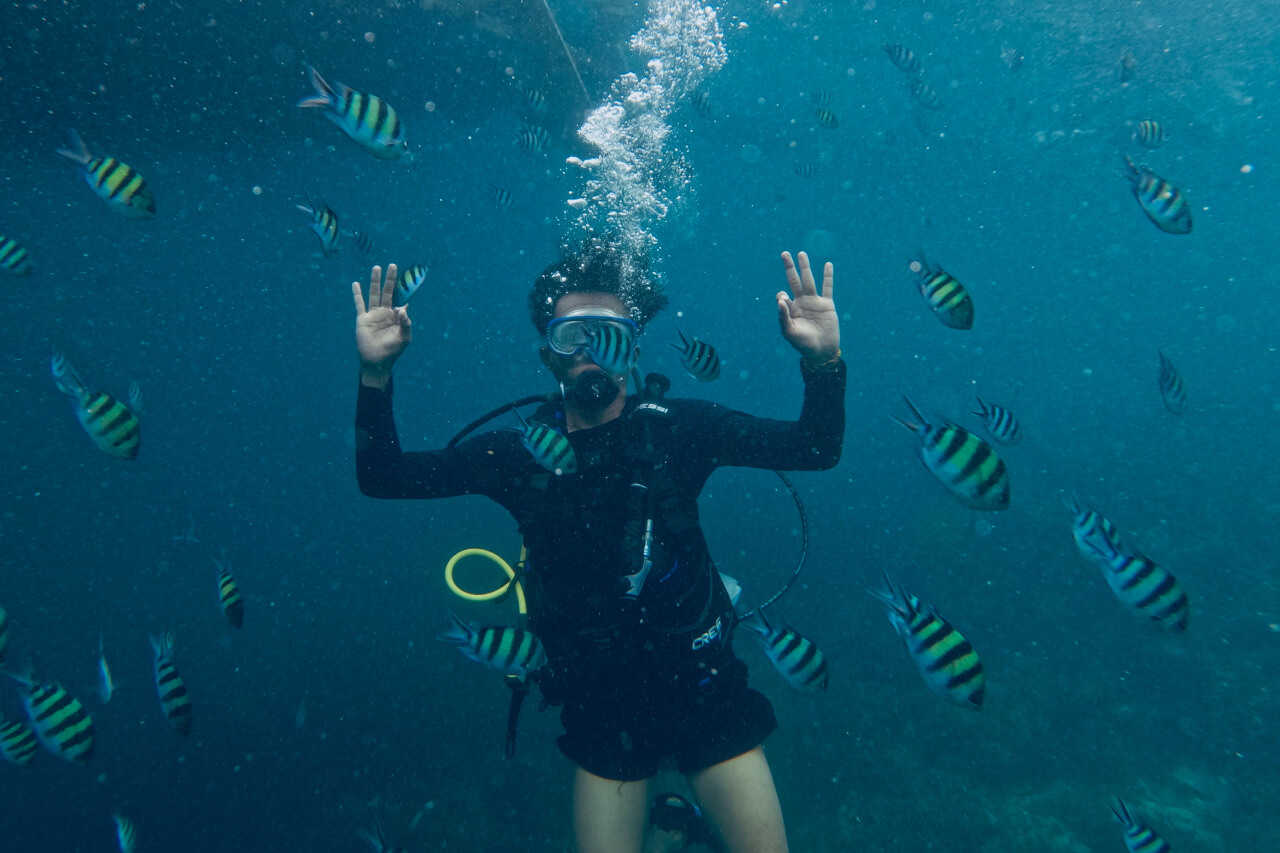
Picture this: You're submerged in a world where the ocean's kaleidoscope of colors dances around you, vibrant marine life glides gracefully by, and the mysteries of the deep beckon you to explore. Scuba diving is a captivating journey into an alien world, a pursuit of wonder that demands vigilance and preparedness. This article explores the importance of safety in scuba diving, emphasizing the need for knowledge and awareness to explore the depths responsibly. Whether you're a seasoned diver or a novice, this guide equips you with the essential knowledge to make every dive both breathtaking and safe, ensuring a connection with the underwater world that prioritizes the well-being and preservation of our planet's precious oceans. Dive in confidently as we navigate the essential principles of scuba diving safety together.
Pre-Dive Prep
Before embarking on any underwater adventure, meticulous preparation is your lifeline to a safe and memorable dive. Imagine the world beneath the waves as a realm where preparation meets passion. This section serves as your compass for pre-dive readiness, highlighting key steps to ensure your safety and enjoyment.

Gear Checkup
Before taking the plunge, a thorough gear checkup is non-negotiable. Ensure your diving equipment is in pristine condition, by inspecting key components such as your regulator, buoyancy control device (BCD), mask, snorkel, and fins. Pay attention to seals, straps, and connections to prevent any potential mishaps underwater. Regular gear maintenance is paramount, as it ensures your safety and the longevity of your equipment, making certain that your underwater adventure remains trouble-free.
Medical Considerations
Safety begins with your health. Prioritize medical checkups to confirm your fitness for diving. Discuss the significance of diving-related health issues with your healthcare provider, including concerns like ear infections, sinus congestion, and allergies. Learn how to manage these conditions and recognize when it's safe to dive. Remember, your well-being is the cornerstone of safe diving.
Dive Planning
Dive planning is the roadmap to a successful underwater journey. It's imperative to create a comprehensive dive profile within your training and previous experience, accounting for factors such as currents, tides, and weather conditions. Understanding these variables is vital for a safe and enjoyable dive. Dive planning ensures you're well-prepared, enhances your awareness of potential risks, and ensures you're equipped to navigate the aquatic realm confidently.
Dive Safety Rules
Safety in scuba diving is not just about individual precautions; it's also about teamwork and mastering essential skills. The following rules are the foundation of safe diving practices, ensuring that every underwater adventure is as secure as it is exhilarating.

Buddy System
Diving is a shared experience, and our buddy system is your ultimate lifeline beneath the waves. Imagine exploring the underwater world with a trusted companion by your side. It's not only more fun, but it also significantly enhances safety.
Effective Communication: Underwater, talking is not an option. Instead, we rely on hand signals and maintaining visual contact with our buddies. We can't stress enough how crucial these communication techniques are in keeping potential hazards at bay. So, stay close, stay connected, and dive safely with a buddy.
Equalization and Ascent/Descent
Proper equalization techniques and safe ascent/descent practices are vital for a comfortable and safe dive.
Proper Equalization Techniques: Equalizing your ears and sinuses is essential to prevent barotrauma, a painful condition caused by pressure changes during descent. For divers of all levels, the key is to do this gently and listen to your body. Never push through discomfort; instead, ascend slightly and try again.
Safe Ascent and Descent Practices: For both novice and expert divers, a controlled, gradual ascent and descent are crucial to avoid issues like decompression sickness and lung overexpansion injuries. Utilize a dive computer or depth gauge to monitor your depth and ascent rates to maintain a safe dive profile.
Buoyancy Control
Buoyancy control is an art that all divers should master, and it's about more than just staying afloat. Neutral buoyancy keeps you from sinking or rising too quickly. It not only conserves your energy but also protects you and the underwater environment by preventing accidental contact with corals and minimizing silt disturbances.
Perfecting your buoyancy control is a fundamental aspect of diving excellence, and as the saying goes, 'Practice makes perfect.' To master this skill, it's crucial to start in controlled environments before embarking on more challenging dives. That's where specialty diving courses such as Peak Performance Buoyancy, come into play. This course provides you with the essential knowledge and hands-on experience necessary for achieving buoyancy perfection – Learn more about our courses.
Emergency Procedures
Safety in diving goes beyond prevention; it also involves knowing how to handle unforeseen situations underwater. Emergencies can arise for both professionals and beginners, so being prepared is essential. Here's a closer look at some crucial emergency procedures that every diver should be familiar with.

Dealing with Panic:
Panic is a diver's worst enemy, capable of escalating a minor issue into a life-threatening crisis. Whether you're new to diving or an experienced pro, knowing how to manage panic is paramount for your safety.
Stay Calm: The first and most critical rule is to remain calm. Panic clouds judgment and impairs decision-making. If you feel panic creeping in, pause, take slow, deep breaths, and remind yourself of your training. Clear thinking is your best ally in crisis situations.
Signal for Help: Effective underwater communication is key. Use established signals to communicate with your buddy or fellow divers. A simple "something’s wrong" signal can make all the difference. Your training will have prepared you with these vital gestures.
Buddy Assistance: If you're diving with a buddy, your buddy is your lifeline in times of crisis. Signal to them that you need assistance and stick together. Trust the training and teamwork you've honed together to resolve the issue.
Remember your training: Throughout your Open Water course and subsequent training, you’ve acquired both theoretical and practical knowledge and skills about diving safety. Whether it’s basic tasks like clearing your mask or more advanced techniques like Controlled Emergency Swimming Ascent, diving certification programs cover a wide range of underwater scenarios.
This is a big reason to stay within your training limits, a valuable reminder is that as long as you have breathing gas in your tank, you have time. In any unexpected situation, remember to pause, take a deep breath, assess the situation, and respond according to what you've learned.
Lost Buddy Procedures
In the vast underwater world, it's not uncommon for buddies to get separated. Whether you're a novice or an expert, understanding what to do when you've lost your buddy is crucial.
Stay Calm and Assess: When you realize you've lost your buddy, the first step is to stay calm and assess the situation. Sometimes, your buddy might be nearby, and panicking won't help.
Follow Pre-agreed Procedures: Prior to your dive, establish a plan for reuniting in case you get separated. This usually involves searching for a minute and then surfacing to reconnect. If everybody follows the protocol you’ll be meeting on the surface.
Signal for Help: If you can't locate your buddy after following the predetermined procedures, signal for help from other divers or the boat if you're close to the surface. Divers are a community, and they're there to assist when needed.
Assemble at the Surface: If you don't find your buddy, ascend safely to the surface. Perform a safety stop if necessary and ensure you're visible to the boat or other divers. They can provide assistance in the search or offer support as needed.
First Aid Basics
Diving first aid knowledge is indispensable for any diver. These basics can help you respond effectively to injuries or incidents underwater.
Assess the Situation: When faced with an injured diver or a dive-related incident, assess the situation carefully. Ensure your safety before providing assistance, and gauge the severity of the situation to determine the best course of action.
Administer Basic First Aid: Diving injuries can vary from barotrauma to cuts and stings. Having a well-stocked first aid kit and emergency oxygen on board is essential. Know how to manage common dive-related injuries effectively. It's a skill that can make a significant difference in the event of an incident.
Oxygen Administration: Oxygen therapy is crucial in dive-related emergencies, particularly for decompression sickness. Ensure you and your dive team are trained in oxygen administration and have the necessary equipment on hand.
Evacuation Plan: Be aware of the nearest hyperbaric chamber and how to arrange for a rapid evacuation in cases of decompression sickness or air embolisms. Being informed about the available resources can save precious time and potentially avert a crisis.
Courses such as EFR (Emergency First Responder) can teach you how to properly administer first and second aid not only to other divers but to any person in need. The good news is that most PADI dive instructors also hold the EFR instructor grade. When combined with a Rescue Diver course you’ll have a vast array of skills and knowledge to contribute with everyone’s safety during your diving adventures.
Keeping Your Scuba Skills Up-to-Date
When it comes to scuba diving, safety is paramount. Proper training is the foundation of a secure and enjoyable diving experience, and it doesn't end with your initial Open Water certification. In this section, we'll discuss the importance of keeping your scuba diving training up to date, whether it means refreshing your skills with a PADI Re-Activate course, advancing your training beyond the Open Water certification, or exploring the challenging world of the PADI Rescue Diver course—Remember to check up on our courses to stay up to date with your certifications!

ReActivate: A Necessity for Skill Refresher
After earning your Open Water certification, it's not uncommon to take a hiatus from diving, either due to a busy life or other commitments. In such cases, PADI's Re-Activate course becomes a vital tool in ensuring your skills and knowledge remain sharp.
This program aims to refresh your diving skills and theoretical knowledge. It covers crucial aspects such as equipment setup, buddy communication, and safety procedures. A PADI Re-Activate course ensures you stay informed about the latest diving practices, equipment advancements, and emergency protocols. It's particularly valuable if you've been away from diving for an extended period, as it not only boosts your confidence but also guarantees you're prepared to handle unexpected challenges beneath the surface.
Determining When to Re-Activate: We recommend considering a PADI Re-Activate course every 6 months to 1 year, depending on your diving experience. Moreover, if you've been absent from diving for over a year, it's prudent to refresh your skills before your next dive. This ensures you're not only ready for your underwater adventure but also maintains the highest level of safety.
Rescue Diver: A Crucial Step Toward Safety
Rescue Diver courses are a significant milestone in your diving journey. This course equips you with the skills and knowledge to handle dive emergencies, should they arise. The Rescue Diver course includes training in self-rescue, recognizing and managing stress in other divers, emergency response, and equipment considerations.
This course not only enhances your diving skills but also emphasizes prevention and preparation for potential diving emergencies. It's an invaluable asset in ensuring the safety of yourself and fellow divers. A Rescue Diver is well-prepared to assist in various scenarios, from helping a tired diver on the surface to managing more critical underwater situations.
In summary, maintaining your scuba diving skills and knowledge is fundamental to ensuring safety in the underwater world. Whether through periodic PADI Re-Activate courses, progressing to more advanced certifications, or exploring the world of the PADI Rescue Diver course, this commitment keeps you well-prepared for every dive, equips you to explore new horizons, and, most importantly, emphasizes safety above all else.
Dive responsibly and savor the wonders of the underwater world!
Environmental Awareness
As divers, we have a unique privilege to explore the enchanting realms of the ocean, but we also bear the responsibility to protect and preserve the underwater ecosystems. Environmental awareness is an integral part of scuba diving, and it's crucial for divers, whether they're novices or experts, to understand their role in safeguarding these fragile environments.

Protecting Marine Life
One of the fundamental aspects of responsible diving is safeguarding coral reefs and marine life. Here's how you can contribute to this crucial endeavor.
Responsible Diving Practices: Every diver should be well-versed in responsible diving practices. This includes maintaining neutral buoyancy, refraining from touching or disturbing the underwater environment, and respecting marine life by keeping a safe distance. By practicing these behaviors, you can help prevent damage to the delicate ecosystems that make diving so spectacular.
Embrace the “Leave Only Bubbles” Principle: The “Take only pictures, leave only bubbles” ethos encourages divers to leave the underwater world exactly as they found it. Don't collect souvenirs, and certainly, don't leave anything behind. By adhering to this principle, you ensure that future generations can experience the same beauty and diversity of marine life.
Conservation Efforts
Divers can be powerful advocates for marine conservation.
Support Marine Conservation Organizations: Consider supporting marine conservation organizations that work tirelessly to protect our oceans. Your support can range from donations to volunteer work, or even participating in organized clean-up efforts. Every small action contributes to a healthier marine environment.
Be a Responsible Eco-Diver: As a diver, your actions have an impact. Make conscious choices such as using reef-friendly sunscreen, reducing your plastic usage, and disposing of waste properly. By adopting an eco-friendly approach to diving, you become a responsible eco-diver, leading by example for others.
Scuba diving is a breathtaking journey into a world that's both mysterious and captivating. However, it's essential to remember that with this privilege comes a responsibility to preserve these underwater wonders. Together, we've explored key elements of scuba diving safety, emergency procedures, and environmental awareness that are vital for both novice and expert divers.
It's important to understand that safe diving can be not only a responsible choice but also a fun and enjoyable one. By practicing safety measures, you're free to immerse yourself in the magic of the ocean with peace of mind. We encourage you to keep learning, honing your skills, and fostering a deep appreciation for the underwater world.
Remember, as divers, we are not just explorers; we are also stewards of the sea. The more we know and the more responsibly we dive, the brighter the future for these incredible ecosystems. Dive safe, dive responsibly, and continue to explore the incredible world beneath the waves.
Tips for a Better Dive
While we've covered the essential rules and procedures for scuba diving, there's always room for improvement and a more enjoyable diving experience. Our "Pro Tips" offer insights that can enhance your dives.

1. Perfect Your Buoyancy
Achieving excellent buoyancy control takes practice. Use your breath to make fine adjustments and strive for a nearly effortless hover. This not only conserves energy but also minimizes your impact on the environment.
2. Check Your Gear Thoroughly
Before every dive, pro divers meticulously inspect their equipment. Pay extra attention to your O-rings, tank valves, and regulator. It's a small step that ensures your safety and prevents mid-dive surprises.
3. Dive with a Purpose
Rather than drifting aimlessly, have a specific goal for your dive. Whether it's exploring a particular reef, searching for a specific species, or practicing underwater photography, having a purpose adds depth to your experience.
4. Streamline Your Profile
Reducing drag is key for a more efficient dive. Keep hoses and accessories neatly stowed to minimize resistance as you glide through the water. This not only saves energy but also allows you to get closer to marine life without disturbing it.
5. Opt for Nitrox
Consider diving with enriched air (Nitrox) when available. It can extend your bottom time and reduce the risk of decompression sickness. Just remember to get the necessary certification if you haven't already.
6: Master the Art of Navigation
As a pro diver, navigation is a crucial skill. Practice underwater map reading and use natural references like rock formations or reef structures. It's not only a safety measure but also adds to the adventure.
7: Mind Your Air Consumption
A hallmark of experienced divers is efficient air management. Practice slow, deep breaths, move slowly and calmly and monitor your tank pressure regularly. This allows you to extend your dive and spend more time exploring the underwater world.
8: Learn About Local Marine Life
Before each dive, research the local marine life in the area. Knowing what species you might encounter enhances your diving experience. It also allows you to better appreciate the delicate balance of underwater ecosystems.
9: Develop Underwater Photography Skills
Capture your underwater memories with photography. Pro divers often invest time in learning underwater photography, allowing them to document their experiences and share them with others.
10: Stay Informed
Stay up-to-date with the latest in diving equipment, techniques, and safety procedures. The diving community is constantly evolving, and staying informed ensures you're always at the top of your diving game.
With these "Pro Tips" in your toolkit, you can take your diving skills to the next level and make every underwater adventure even more unforgettable. Whether you're a Pro Diver or just starting out, there's always room to enhance your diving experience and contribute to the preservation of the underwater world.




